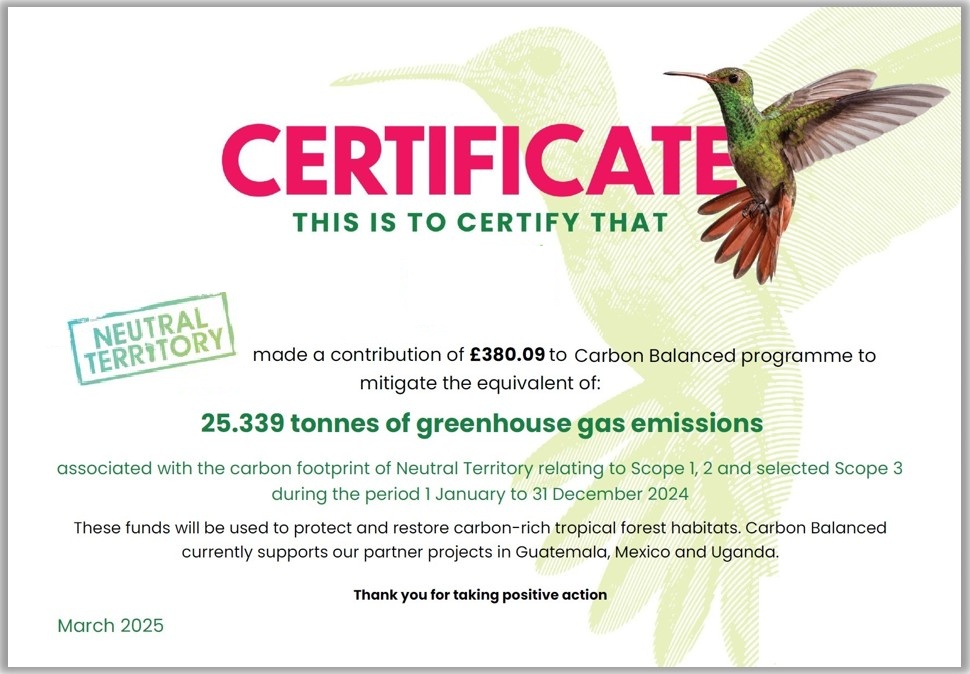
Claydon Court has been carbon balanced since 2010, aims to becoming carbon neutral in 2025, and carbon net zero by 2030. Carbon balanced means we measure, offset and reduce our carbon emissions. Carbon neutral means we do this to meet international standards. Carbon net zero means widening the scope of our emissions, reducing them by 90% and offsetting the remaining 10% in perpetuity.
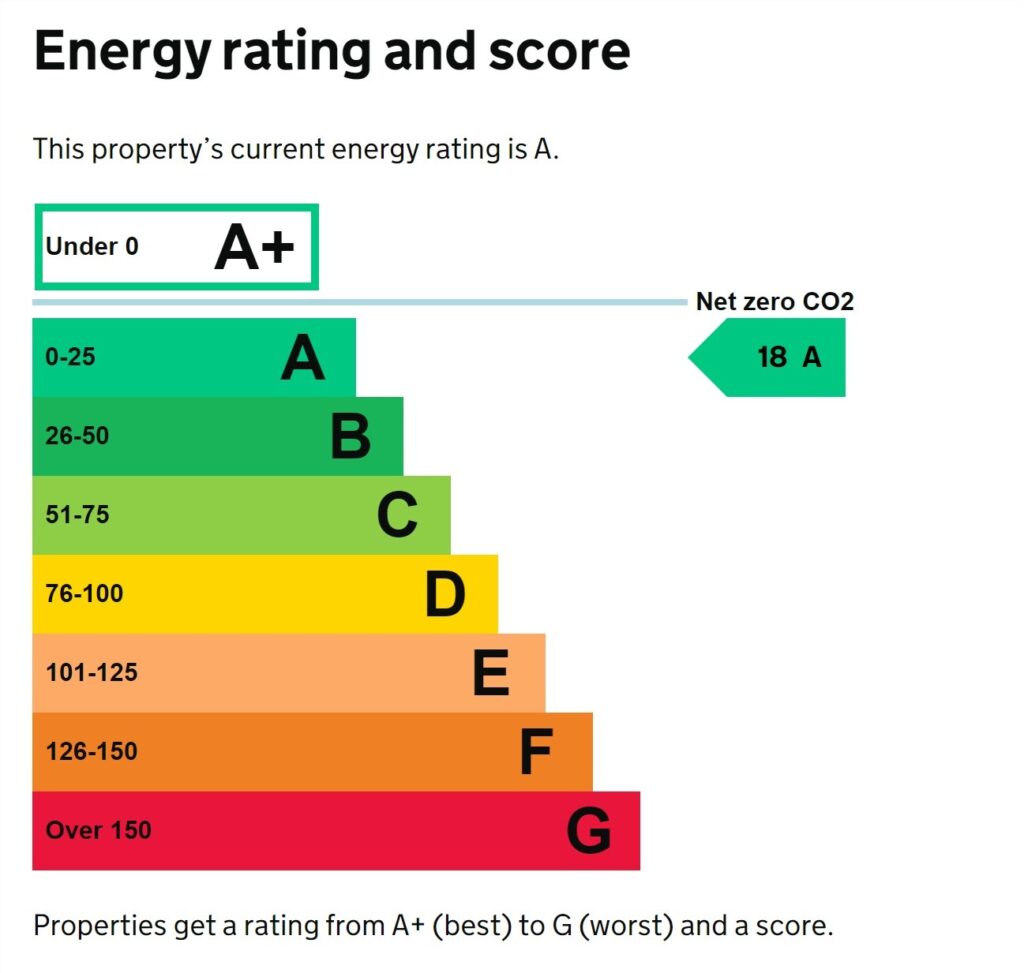
Although our journey started in 2010 we haven’t rested on our laurels, and have continued to invest in projects to save and generate energy. This resulted in an EPC rating of A in 2024.
It all started with Suffolk’s Low Carbon Champions (LCC) programme which was delivered by Green Light Trust. The LCC model only asked us to measure and reduce carbon, we went further and offset it too.
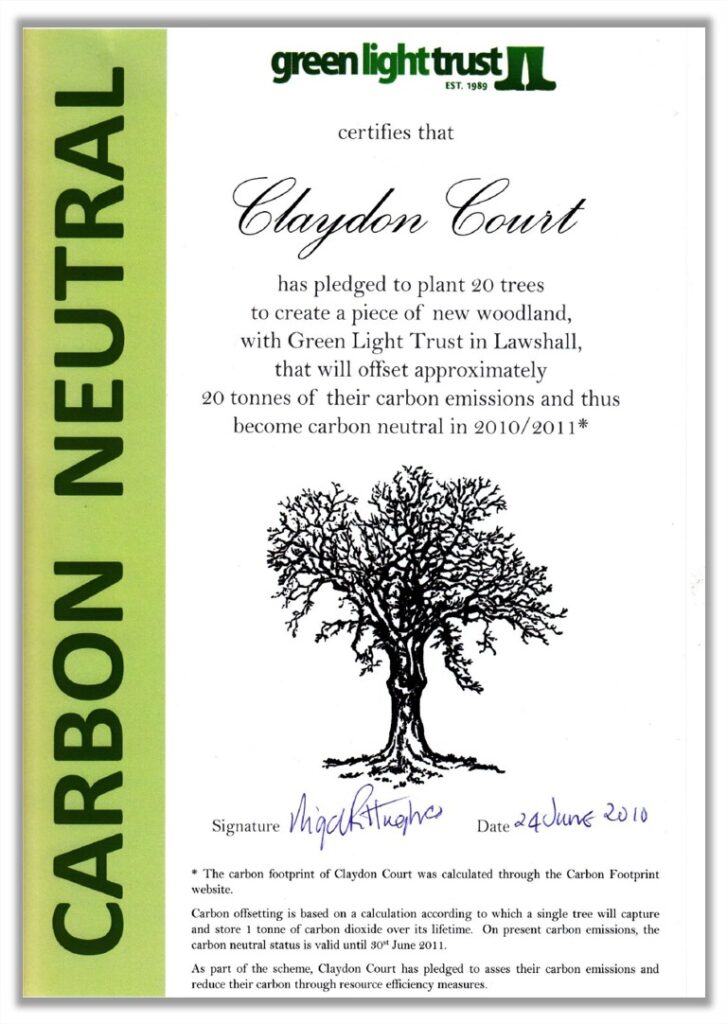
Claydon Court has been carbon balanced since 2010
We use a simple Measure Offset Reduce (Less is MOR) model. Carbon emissions are measured and shared with tenants. These typically arise from electricity and water although transport and commuting costs will be measured shortly too, then indirect and other activities.
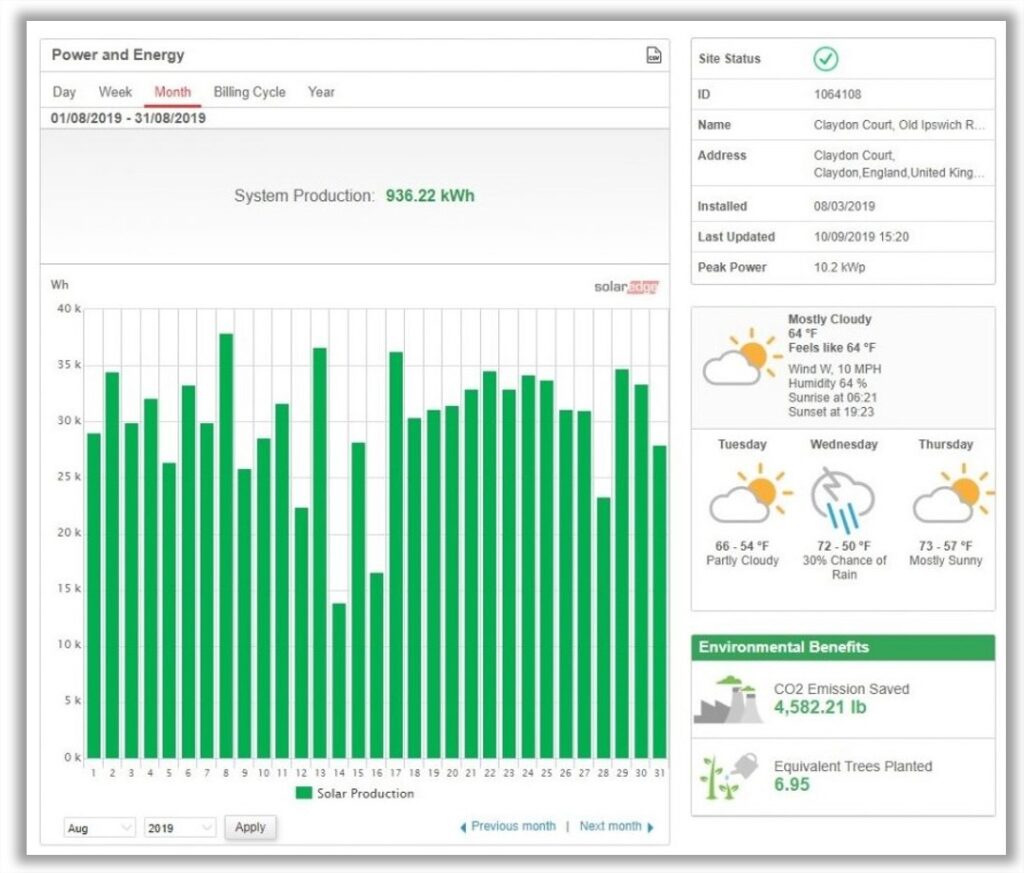
Measurements are shared in real-time by online dashboards. Monthly invoices include a small carbon services charge to cover the cost of annual offsetting and longer term low-carbon capital investments.
Claydon Court has offset its carbon emissions for over a decade. We delegate our emission calculations to the World Land Trust as part of our Carbon Balanced certification.
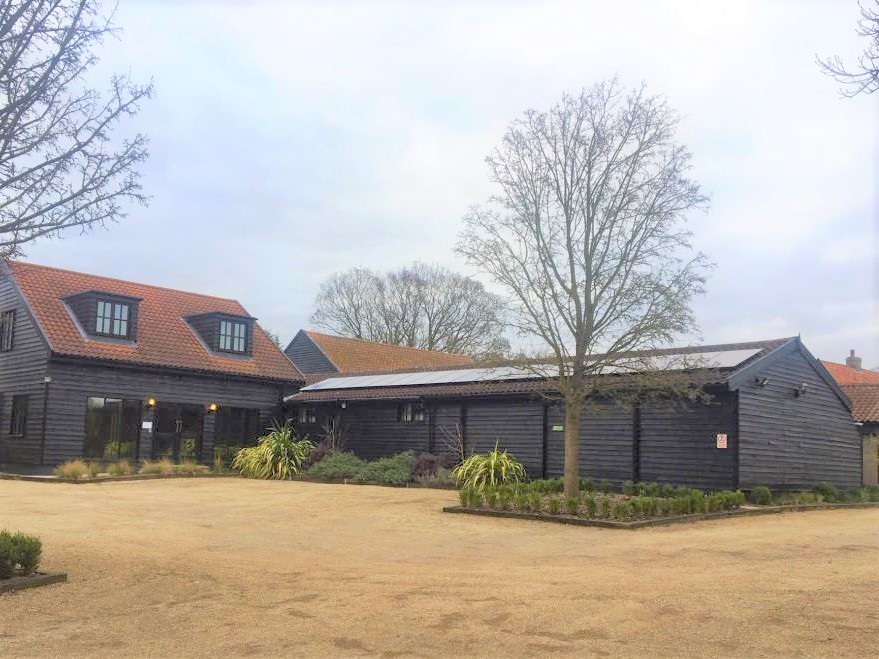
Carbon emissions are reduced wherever possible. Significant investments have resulted in a 70% energy saving in Claydon Court’s old, poorly insulated buildings. Our EPC rating has been reduced from ‘G’ to a ‘A‘ which is incredible for an old building. For details of how we did this see our earlier presentation on Slideshare.

Low energy pumps are used for heating and cooling. All lighting is converted to LED and triggered by sensors wherever possible, our ‘Green Spot’ campaign guides colleagues if manual. Investment in PV panels typically reduces electricity consumption by 20%. All utilities are supplied from fully renewable sources.
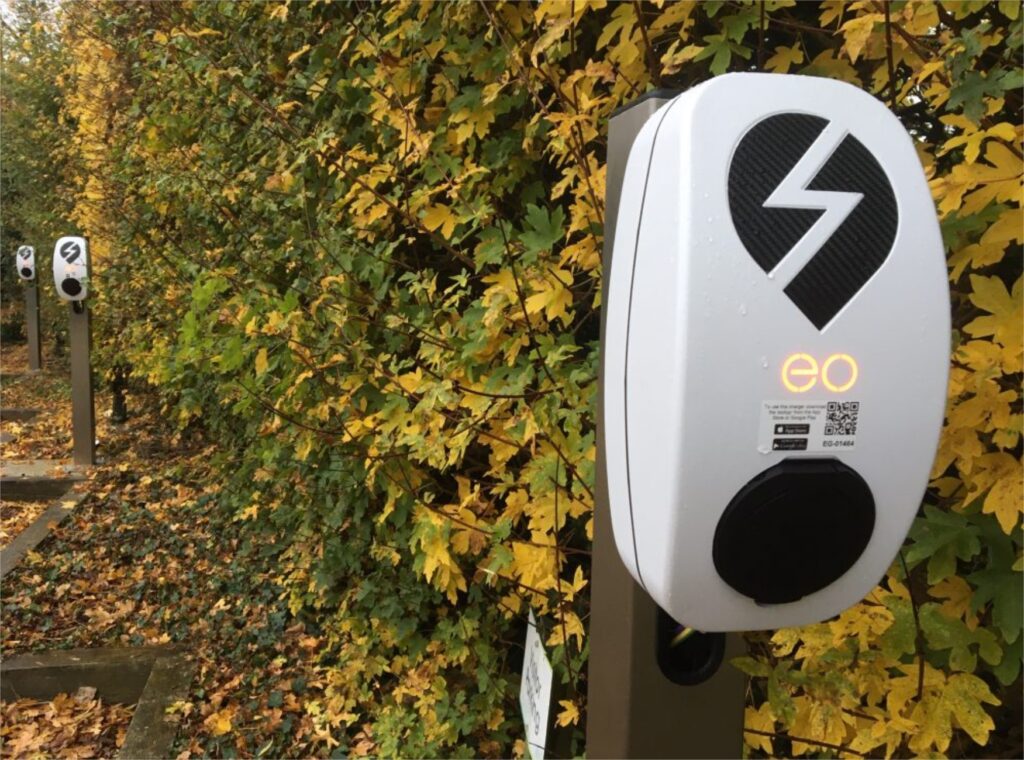
Partners sponsor our six EV charging points to encourage their colleagues and customers to move to electric vehicles. Use is currently free of charge to anyone and everyone who wants them. More are being installed as demand has rocketed since the energy crisis.
We have built an online community to share ideas with tenants on ways to reduce carbon emissions and take other sustainable actions. People are what drive change, but technology has a big part to play in scaling up at an affordable cost.